
Creating the first impression
Beautiful interiors deserve considered photography.
The right image can immediately communicate the atmosphere of a space, drawing attention to its proportions, materials and finer details. But a strong visual library needs to show more than the finished interior itself. Lifestyle imagery can bring a space to life, showing how it is experienced, while close details of materials, textures and craftsmanship reveal the thought behind it.
A strong project shoot also needs perspective. Close-up shots can reveal the texture of a material or precision of a finish, while wider views allow the audience to understand the space as a whole. Moving between these perspectives creates a more complete picture of the work, giving detail its context.
For luxury brands, this first impression carries particular weight. The quality of the imagery can influence how a project, studio or development is perceived long before a conversation begins.
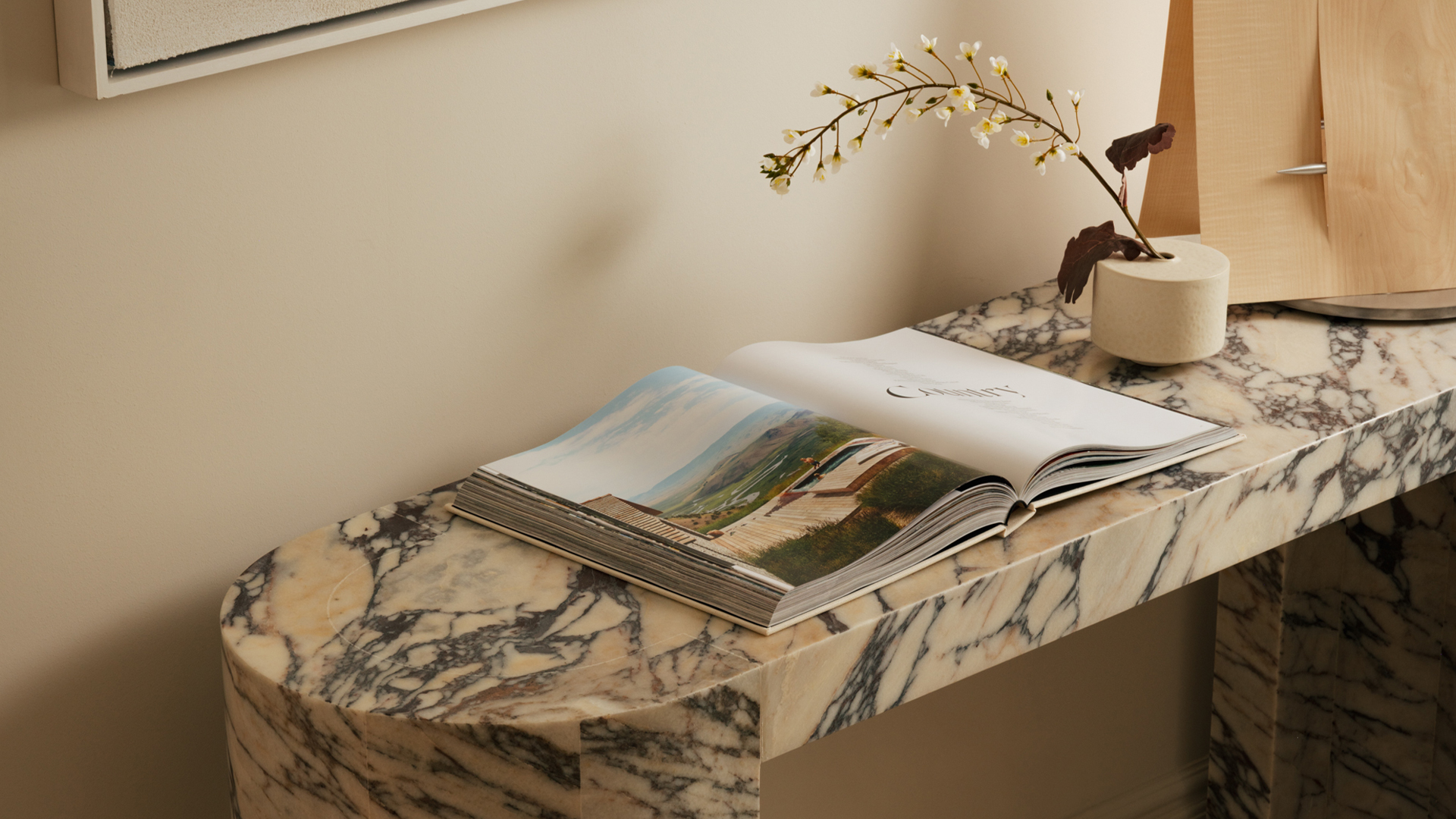
Take Samantha Bartlett Interiors, where the quality of the photography directly reinforces the luxury experience we built her website to convey. Capturing varied angles, textures, and spaces, the imagery works cohesively across the site to set a clear benchmark of quality before a project conversation even begins.

Photography as part of the brand
A strong visual identity does not stop at a logo or typeface. Photography has its own language.
The way a space is framed, the treatment of light and the moments chosen to capture all contribute to how a brand feels. This extends beyond project photography. Portraits of the team, images of a studio or showroom and more informal moments can all contribute to the same visual world.
For an interior designer, this might mean focusing on craftsmanship and materiality. For a property brand, it could be the relationship between architecture, interiors and the surrounding setting. The approach should be distinctive enough to become recognisable while allowing the work itself to remain the focus.
When imagery across a website, social channels, editorial features and printed materials feels considered as one visual world, the brand becomes more coherent and credible.
Building a consistent visual language
The value of considered photography extends beyond the finished project. Project photography may be the hero, but the way a team is photographed, how a social post is composed or how a behind-the-scenes moment is captured should still feel connected to the brand.
This does not mean making every image look identical. A considered visual language allows for variation while maintaining a recognisable point of view. The same attention to composition, light, detail and atmosphere can inform a carefully art-directed project shoot as much as a more spontaneous piece of social content.
Team photography is a good example. Formal portraits have their place, but an image that captures the character of a studio or the people behind a project can communicate far more about a brand. Social content does not need to feel overly polished to feel premium. It simply needs to retain a level of thought and consistency that reflects the brand behind it.
The same principle applies wherever imagery appears. A website, social feed, editorial feature and printed piece may each have a different purpose, but they should still feel as though they belong to the same brand.
Our client Design Centre, Chelsea Harbour excels in this. Across their website, editorial campaigns, and social media channels, a unified visual language ensures that whether capturing large-scale design events or behind-the-scenes details, every image carries a distinct quality that makes it instantly recognisable as theirs.
What videography can reveal
Photography captures a moment. Videography allows the audience to experience a space unfolding.
Movement can communicate scale in a way a static image cannot. A camera moving through a room can reveal the relationship between spaces, while subtle changes in light can bring out the atmosphere of an interior.
The choice of shot matters here too. Moving from the wider environment into finer details allows the viewer to understand both the setting and the craftsmanship within it. Including people within the space can add scale and create a stronger sense of how it feels to experience the environment. The pace and movement of the camera can also influence how a space feels.
For property brands, videography can provide a sense of place. The journey into a building, the surrounding neighbourhood or the transition from one space to another can become part of the story.
Used well, videography does not simply document a project. It gives the audience a sense of being there.
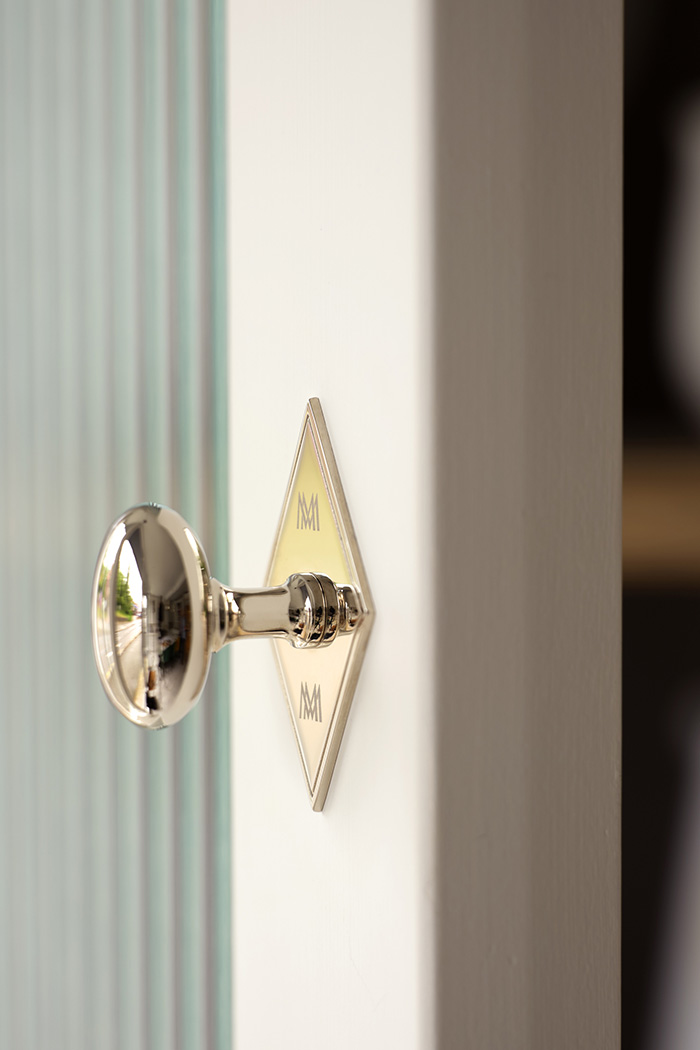
Directing the shoot for Martin Moore, Treacle used video movement to reveal the true scale and craftsmanship of their kitchens. Positioned as their website hero, it brings immediate authenticity to the brand, while supporting imagery highlights finer details and varied angles to reinforce quality and bring the space to life online.
Making imagery work harder online
Even exceptional photography can lose its impact if it is not considered within the digital experience.
A website needs imagery that works across different formats and screen sizes, while the sequence of images can influence how a visitor understands a project. Hero imagery creates an immediate impression, while supporting photography can gradually reveal the detail behind it.
A considered mix of wide views, details, lifestyle imagery and moving content also gives a website greater depth. Rather than repeating the same view of a space, each image can contribute something different to the story.
This is particularly important for interior and property brands, where the website may be the closest thing a prospective client has to experiencing the work in person.
Photography and videography should therefore be planned with their eventual applications in mind. The strongest results come when the imagery, website and brand are considered as one experience rather than separate stages of a project.
The role of CGI and AI
Technology has opened up new possibilities for visualising spaces before they exist.
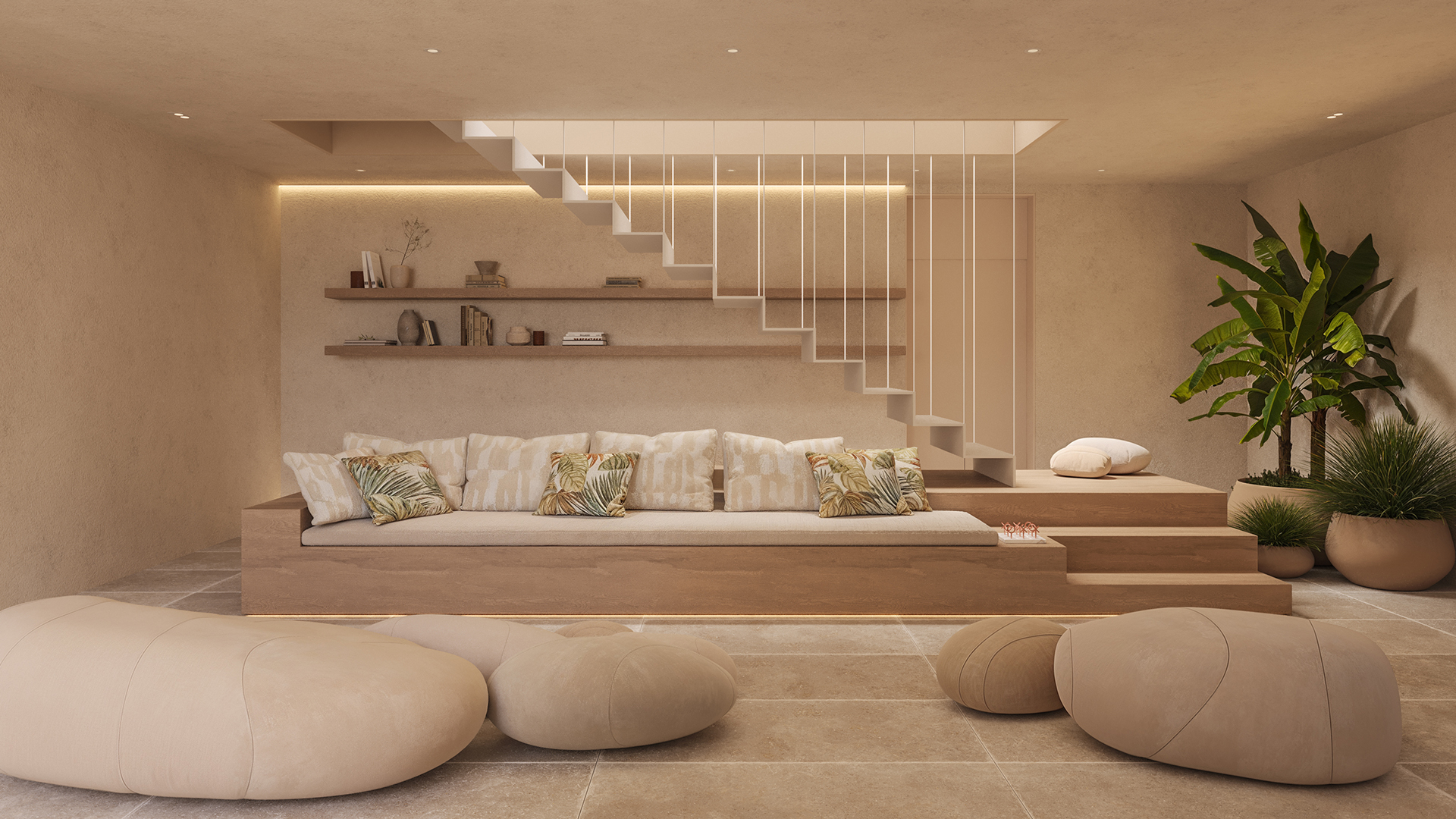
CGI can help communicate an architectural concept, explore an interior direction or bring an unbuilt development to life.
AI is adding another layer to this evolving landscape, offering new ways to develop and manipulate imagery. Yet as these tools become more sophisticated, the distinction between visualisation and reality becomes increasingly important.
For luxury brands, trust is part of the experience. An image created to communicate a concept has a different role from photography that represents a finished space, and audiences should be able to understand that distinction.
Conceptual imagery can create desire and help an audience imagine what could be. Authentic photography provides reassurance about what has actually been delivered.
Photography and videography should not be treated simply as content for a website or social feed. They are among the most powerful ways an interior or property brand can communicate its character.
When considered from the beginning, visual content can work alongside strategy, identity and digital design to create a cohesive brand experience. The result is imagery that does more than show the work. It helps the audience understand how the brand sees it.
For brands operating at the premium end of the market, every image is an opportunity to communicate the care behind the work.
Image credits, top to bottom: MDesign, Samantha Bartlett Interiors, Echlin, Martin Moore and RTV Developers.
